
How Media Intelligence Protects Corporate Reputation
Corporate reputation is not built in boardrooms. It is built in newsrooms, on social media feeds, in regional language publications, and in the conversations that consumers, investors, regulators, and employees have about a brand every day — in every language, across every channel, around the clock. Managing that reputation used to mean reading the morning papers and hoping nothing was
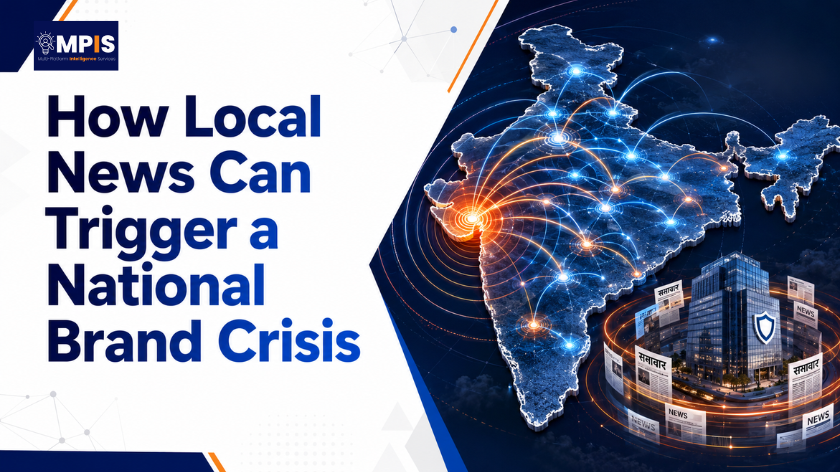
How Local News Can Trigger a National Brand Crisis
It starts with four paragraphs in a Nagpur edition newspaper. Or a 90-second segment on a regional cable news channel in Coimbatore. Or a local correspondent's story in a Bhopal-based Hindi daily that most people in Mumbai or Delhi have never heard of. It does not feel like a crisis. It does not look like one either — the publication

The Hidden Cost of Missing Early Media Warning Signals
Most brand crises do not arrive unannounced. They send signals — quiet, easy-to-miss signals that appear hours, days, or sometimes weeks before the story breaks nationally. A forum thread here. A regional newspaper paragraph there. A slight uptick in negative social mentions on a Tuesday evening. A journalist starting to ask questions that feel slightly off-script. The brands that get

Media Monitoring for Banking & Financial Services: Protectin...
Trust is the only real currency banks deal in. Every other product — loans, deposits, investment schemes, insurance — is built on one invisible foundation: what people believe about your institution. And in today's media environment, that belief can shift overnight. A single regulatory notice, an investigative piece in a regional newspaper, or a viral social media post alleging mis-selling


Crisis Communication Management: How Media Monitoring Helps Detec...
No brand plans for a crisis. But every brand — given enough time in the public eye — will face one. What separates organisations that emerge from a crisis with their reputation intact from those that suffer lasting damage is rarely the crisis itself. It is almost always the speed and quality of the response. And that speed depends entirely
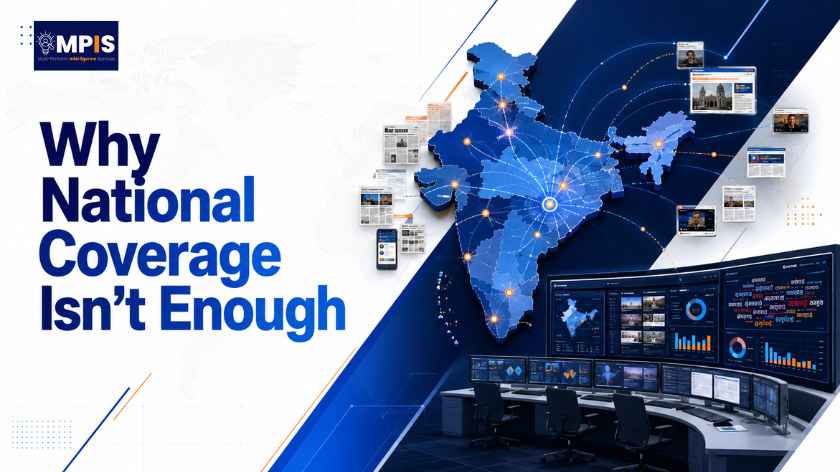
Regional Language Media Monitoring in India: Why National Coverag...
Here is a question most corporate communications teams have never seriously examined: when you say your organisation monitors the media, which media do you actually mean? For the majority of PR and communications teams across India, the honest answer is English-language national media — the Economic Times, Business Standard, Mint, Hindustan Times, NDTV, and a handful of prominent digital portals.

How Competitor Media Analysis Drives Market Advantage
Every brand operates in a competitive media environment. While your PR team is focused on your own coverage, your competitors are actively working to shape their narratives, build their share of voice, and position themselves against you in the publications your customers, investors, and regulators read every day. The question is not whether this is happening. It is whether you

Media Monitoring for Government & Public Affairs Teams
Government communicators operate in a unique and unforgiving media environment. Every policy decision, every ministerial statement, every scheme implementation — and every failure of those schemes to reach the people they were designed to serve — generates media coverage that shapes public trust, influences political momentum, and informs the electorate's perception of governance quality. Unlike corporate communications, government communication does
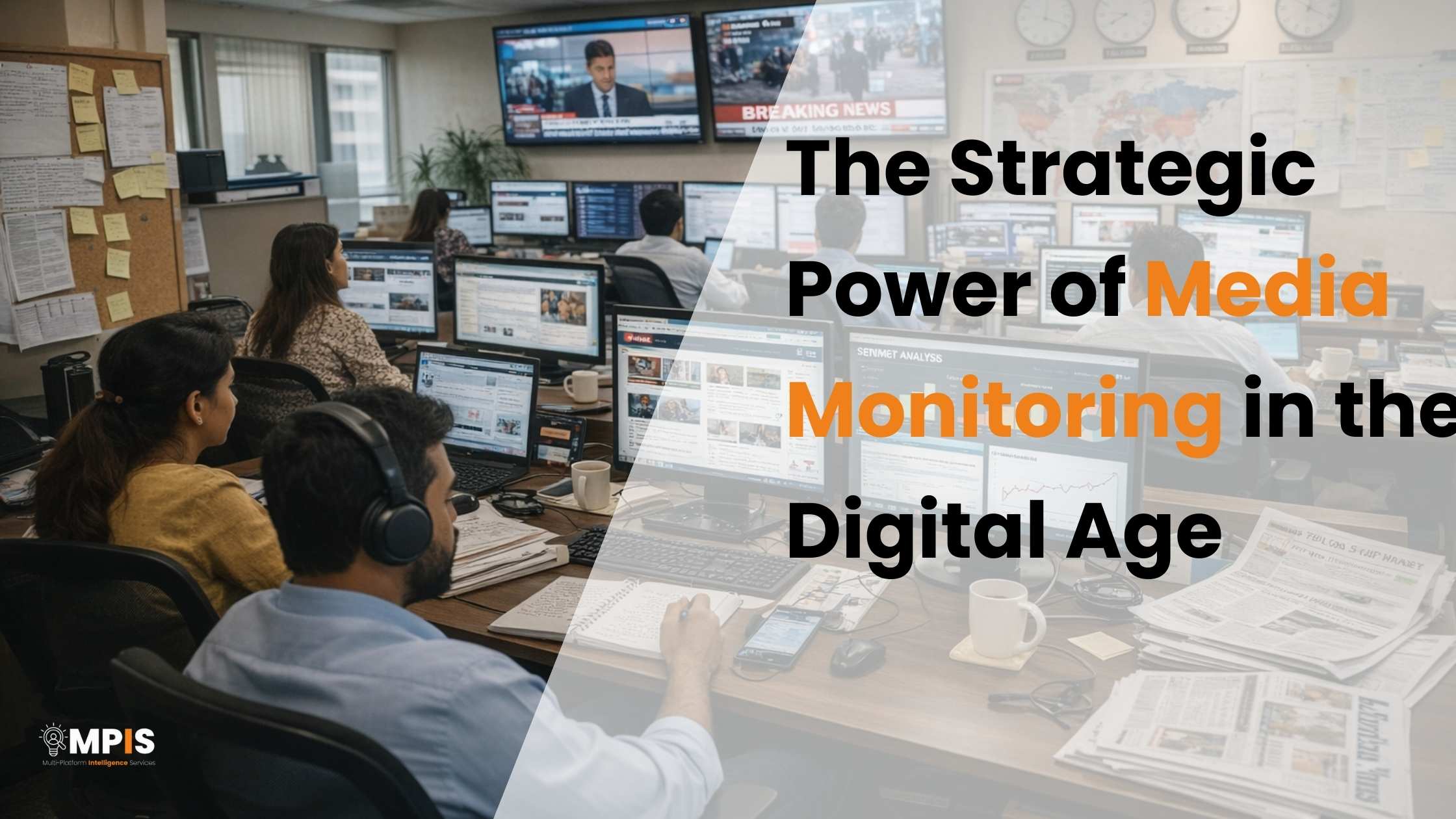
The Strategic Power of Media Monitoring in the Digital Age
Let’s be honest—information doesn’t wait for approval anymore. In today’s hyperconnected world, a single post, headline, or offhand remark can ripple across markets, shape public opinion, and invite regulatory attention in minutes. And just like that, perception becomes reality. That’s exactly why The Strategic Power of Media Monitoring: Building, Protecting, and Scaling Brand Presence in the Digital Age isn’t a