Why NBFCs Need Continuous Media Intelligence
In October 2024, the Reserve Bank of India issued a single order that banned four NBFCs from sanctioning or disbursing new loans. The four — Asirvad Micro Finance, Arohan Financial Services, DMI Finance, and Navi Finserv — were cited for excessive interest rates and pricing practices that violated RBI's fair practices code. Within hours, Manappuram Finance's stock fell over 15%
How Airline Controversies Become Reputation Crises
In the Indian aviation sector, reputation can collapse within hours. A single viral video, a whistle-blower's footage, or a passenger's tweet has the power to trigger a national boycott campaign, a DGCA investigation, and a stock price fall — all before the airline's PR team has even drafted a holding statement. The three most damaging airline controversies in recent Indian
How Food Safety News Can Destroy Consumer Trust
Food is personal. The relationship between a consumer and a food brand is built on a specific kind of trust — the trust that what is being eaten is what the label says it is, that it is safe, and that the brand stands behind both of those claims. When food safety news challenges either of these assumptions — whether
Why Hospitals Need Real-Time Reputation Monitoring
A hospital's reputation is built over years — on clinical outcomes, patient experiences, doctor credibility, and the quiet accumulation of community trust. It can be damaged in hours. A video of a patient being mistreated by staff, shared on a regional WhatsApp community before midnight, can trend by morning. A complaint about billing malpractice, covered in a single paragraph by
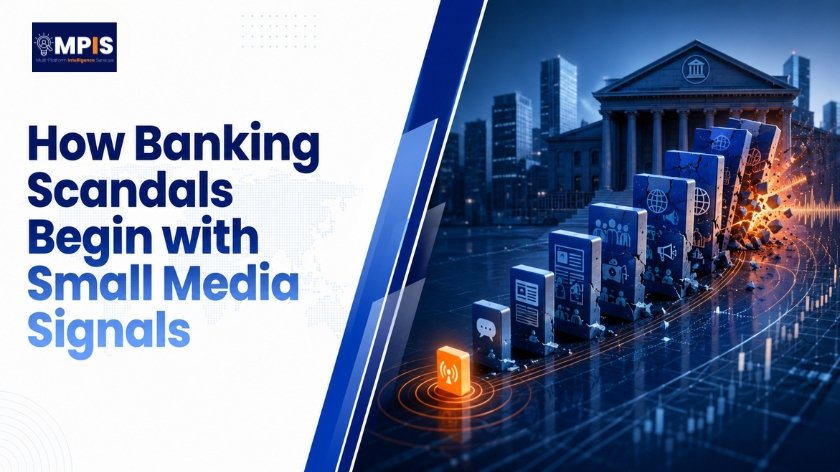
How Banking Scandals Begin With Small Media Signals
Every major banking scandal in recent memory has a before — a period during which the signals were already present in the media environment, waiting to be read by anyone paying close enough attention. Before the national headlines. Before the RBI notice. Before the depositor queue outside the branch and the stock circuit breaker kicking in. There were the smaller
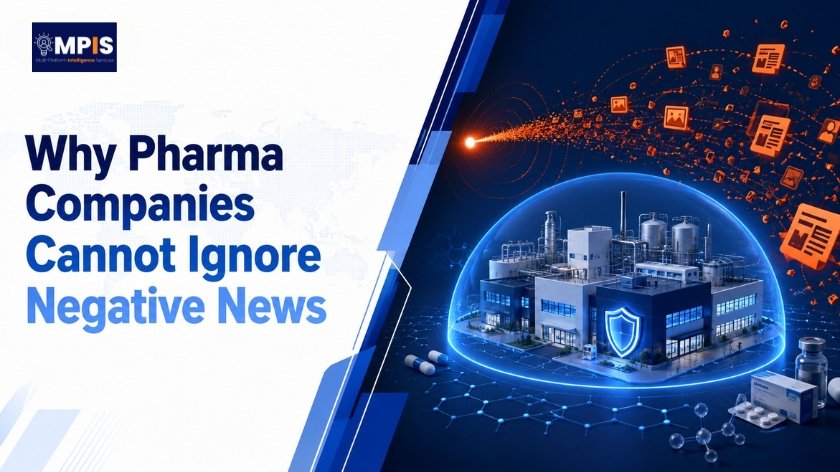
Why Pharma Companies Cannot Ignore Negative News
In most industries, negative media coverage is a reputation problem. In pharmaceuticals, it is simultaneously a reputation problem, a regulatory trigger, a patient safety signal, an investor confidence issue, and a commercial risk — all activated by the same story, at the same time. A critical article about a pharmaceutical company's product quality, manufacturing practices, adverse event reporting, or pricing
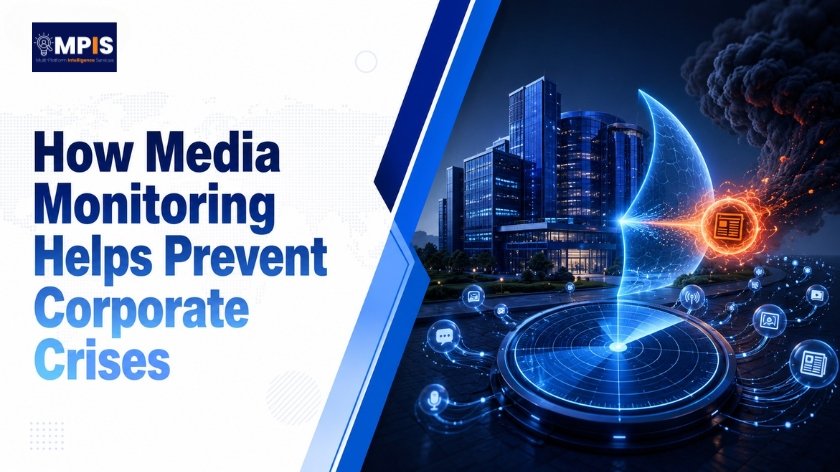
How Media Monitoring Helps Prevent Corporate Crises
Every corporate crisis has a before. A period — sometimes hours, sometimes weeks — during which the signals that will eventually define the crisis are already present in the media environment. A regional newspaper story. A consumer complaint cluster building on a forum. A regulatory body making quiet statements that industry trade publications are beginning to cover. A social media
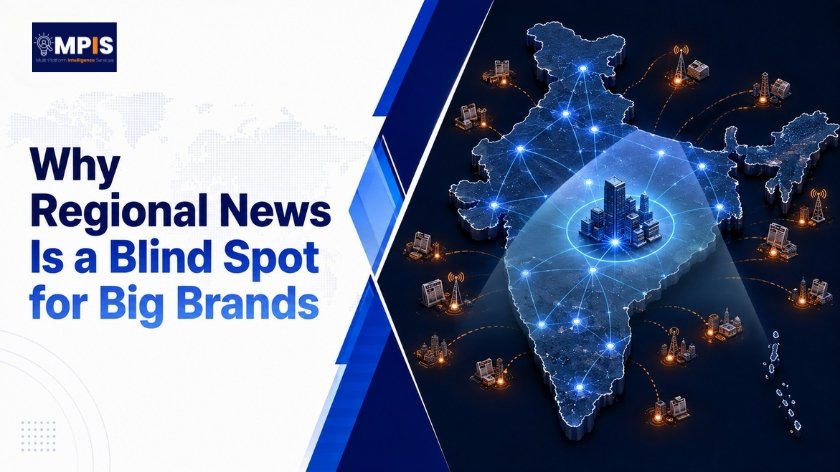
Why Regional News Is a Blind Spot for Big Brands
Ask the communications head of almost any large Indian company which publications they monitor, and the answer will follow a familiar pattern. The Economic Times. Business Standard. Hindustan Times. NDTV. Mint. Perhaps a handful of prominent digital portals. And if they are particularly thorough, maybe one or two Hindi national dailies. Ask them whether they monitor Dainik Bhaskar's Indore edition.
Why Brands Need 24/7 Reputation Monitoring
Reputation does not take weekends off. It does not observe public holidays, respect office hours, or wait until Monday morning to be damaged. The story that becomes a crisis for your brand is just as likely to break at 11 PM on a Friday as it is at 11 AM on a Tuesday. A viral social media complaint does not
Top Reputation Risks Every Business Should Monitor in 2026
Reputation has always been a business asset. In 2026, it is also a business vulnerability in ways that did not exist five years ago — driven by a media environment that is faster, more fragmented, more multilingual, and more interconnected with social platforms, regulatory bodies, and investor communities than at any previous point. The pace at which reputation damage can